
Retaining Walls & Access Steps
Built to hold. Designed for access.
From soft embankments to collapsing towpaths, we provide practical retaining wall solutions that last.
Bank Protection Services
Our Specialist Retaining Wall Services
When towpaths need widening or embankments need stabilising, retaining walls offer a fast, effective solution. The Rothen Group designs and installs retaining walls across the UK’s inland waterways, using practical methods and materials that suit each site’s terrain, constraints, and long-term needs.
Built from timber sleepers, concrete panels, or steel-supported systems, our retaining walls are chosen for their strength, cost-effectiveness, and ease of installation. Whether it’s reinforcing soft ground, supporting a raised edge, or creating new space alongside a canal, each structure is specific to its environment.
We often work on remote or difficult-to-access sites. That’s why our teams rely on floating plant and water-based machinery — so we can work safely and efficiently wherever we’re needed without damaging the surrounding bank or towpath.
Need a retaining wall to stabilise your site or improve access? Contact The Rothen Group for a free consultation and site assessment.


Gallery
FEATURED CASE STUDY
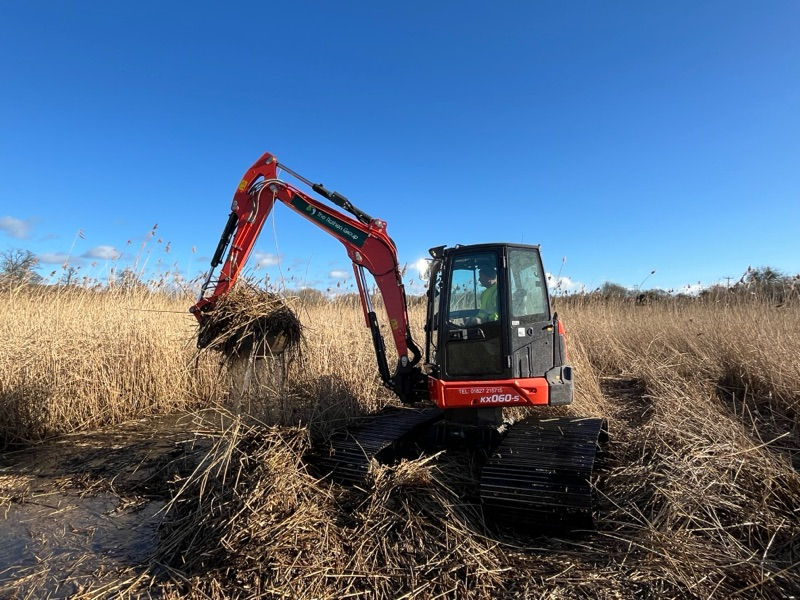
Habitat Creation Coney Meadows, Droitwich
Coney Meadows is part of a nationwide project to restore the UK’s wetlands. Since the 17th century, large areas of reedbeds have been stripped and converted into agricultural land, massively reducing the number of habitats available for wetland animals.

FEATURED CASE STUDY
Changing the Shape of the River Derwent, Derby
Following the storm seasons of 2023 & 2024, the EA set out to review its impact on the UK’s waterways. The River Derwent in Derby was flagged after a sonar scan of its navigation identified a scour hole – a direct result of heavy rainfall pushing sediment downstream.

A retaining wall holds back soil to prevent bank erosion or collapse. They’re commonly used to widen towpaths, support unstable ground, and prevent sediment from entering the water.
Often, we add retaining walls to areas where the bank is at risk of erosion or movement. Maybe the towpath needs widening or stabilisation is needed to prevent a full collapse. Over time, banks gradually erode — making retaining walls a common long-term solution.
With the right materials and proper installation, a waterway retaining wall can last 25–50 years or more. We select components based on site conditions and exposure to water, ensuring long-term durability with minimal maintenance.
What is a retaining wall used for in waterways?
Depending on the location, we can build retaining walls for waterways using timber sleepers, steel posts, and precast concrete panels. Given that retaining walls are more expensive, they’re often reserved for areas with high foot traffic. We use natural materials due to their aesthetic appearance; however, concrete panels are stronger and longer-lasting than timber.
Other factors include the site’s soil conditions, visual requirements, and long-term durability needs.
In more rural settings, we might use a gabion wall instead – it’s a quicker, cheaper alternative.
What materials do you use for canal retaining walls?
Yes. In fact, constructing towpath retaining walls in remote or hard-to-reach areas is our specialty. We use floating plant and other machinery to safely access the site without damaging the local environment.
We can then install walls safely and efficiently from the water side, without needing large land access. You can view our full fleet of machinery and floating plant on our website.
Can retaining walls be installed where access is limited?
Yes. A retaining wall for embankments holds back unstable soil and supports the structure of the canal bank. Banks are often made of earth and will subside over time due to tree roots, weathering, and animals. If left unchecked, this can cause a complete collapse, blocking the waterway.
Installing a retaining wall provides bank stabilisation for areas where erosion or movement has already occurred.
Do retaining walls help with bank stabilisation?
Yes. We often install access steps made from concrete, timber or metal alongside retaining walls. These are designed to improve safety and allow teams to inspect waterway assets that would otherwise be difficult to reach.
Can access steps be built into retaining walls?
FAQ
Your Questions Answered
contract services
Related services


about us
A decade of
The Rothen Group
The Rothen Group is a trusted contractor for structural works across the UK’s inland waterways. From towpath retaining walls to full embankment stabilisation, we provide clear, engineered solutions that protect critical infrastructure and extend the life of canal and river assets. Our team can design and build retaining walls for all kinds of environments.
We’ve worked with public bodies, navigation authorities, and private clients to install retaining walls in both urban and remote locations — often using floating plant to complete works where land access is limited. Whether supporting collapsed ground or enabling safe access for inspections, our walls are built to last and designed to fit the site.


