Common Reed Plant Species: Characteristics and Removal

British wetlands are defined by one plant: reeds. These bushy, grass-like plants line riverbanks, carpet marshes, and are found dotted among ponds and lakes. While most people in the UK can name a handful of trees, not much attention is given to reeds.
The fields of golden-brown reeds are among the most vital habitats. They form spawning grounds for freshwater fish and insects, feeding areas for birds, and even a home to rare species such as the Bittern. Often, they filter water heading into rivers and streams, protecting against pollution and environmental run-off.
But they need careful management. If not looked after, reeds can have some negative effects. In some cases, they might need to be removed during waterway restoration.
In this article we'll discuss:
What is a Common Reed Plant?
Common reed (Phragmites australis) forms the most extensive reedbeds in wetlands across the UK. Known for its golden-brown stems and large, feathery flower spikes, it’s a common sight in lakes, ponds, rivers, and other freshwater wetlands.
Each reed can grow up to 4 m in height. They’re present all year round and flower from August to October. Common reed is an important habitat for birds, including rare species like Bittern, Bearded Tit, and Marsh Harrier.
You’ll often find common reed used in habitat creation and restoration. They can turn a previously degraded waterway into a thriving ecosystem with valuable services, including water filtration and bank erosion prevention.
Read more about the ecological importance of reed beds.
The Most Common Reed Plant Species You’ll Encounter in the UK
Most plants people call reeds are actually rushes (Juncaceae), sedges (Cyperaceae), or reed-like grasses. The term “reed” almost always refers to Phragmites. Even bulrush (Typha) isn’t a reed, despite being labelled as such.
Reed canary grass (Phalaris arundinacea) – A tall, fast-growing grass you’ll often see along riverbanks, ditches, and wet meadows. It can form thick, reed-like stands and is easily mistaken for young reeds.
Reed sweet-grass (Glyceria maxima) – A true waterside plant, typically found along ponds, canals, and slow-moving rivers. It has broader leaves and a looser, more sprawling habit than common reed.
Common club-rush (Schoenoplectus lacustris) – Often growing right in the water, this tall plant has smooth, round stems rather than leaves. It’s frequently mistaken for a reed, but it actually belongs to the sedge family.
Bulrush/reedmace (Typha latifolia) – One of the most recognisable wetland plants in the UK, known for its brown, sausage-like seed heads. Despite appearances, it’s not a true reed.
Great fen-sedge (Cladium mariscus) – Found in fens and marshes, this species forms dense, imposing stands. Its leaves are tough and sharply edged.
Your next read: Blue Green Algae Guide
Key Characteristics of Reed Plants
Reeds and reed-like plants have a few key characteristics. They’re fast-growing plants with a dense network of underground root systems. Indeed, that’s how they stabilise bank erosion.
If left to grow, they’ll reach up to 2-5 metres in height, depending on the species. They thrive in waterlogged or damp environments, forming dense stands that can restrict water flow and access. Hence, they sometimes have to be removed to open waterways for boats.
What is the Environmental Impact of Uncontrolled Reed Growth?
Reeds are a foundational species in waterway ecosystems. But they’re not without their problems. If reeds are left to dominate an ecosystem, other species can become squeezed out. It can reduce a biodiversity-rich ecosystem to one dominated by very few species. Think of the difference between a forest with lots of species and one made solely of pines.
They can also affect water flow.
Because reeds slow down water flow, they can increase the flood risk behind them. That may impact farmers’ fields or local communities, cause sediment buildup, and affect nearby water quality.
When Reed Removal Becomes Necessary
Removing reeds should only be done when absolutely necessary. Common reasons for reed removal include:
If they obstruct waterways, drainage channels, or marinas
If there’s erosion or damage to embankments
If they pose a navigation or safety risk
If they impact the ecological balance of managed habitats
A careful assessment must be undertaken before removal.
Methods for Reed Plant Removal
Reeds aren’t always easy to remove. Their dense root networks and large number of strands make them a hardy plant.
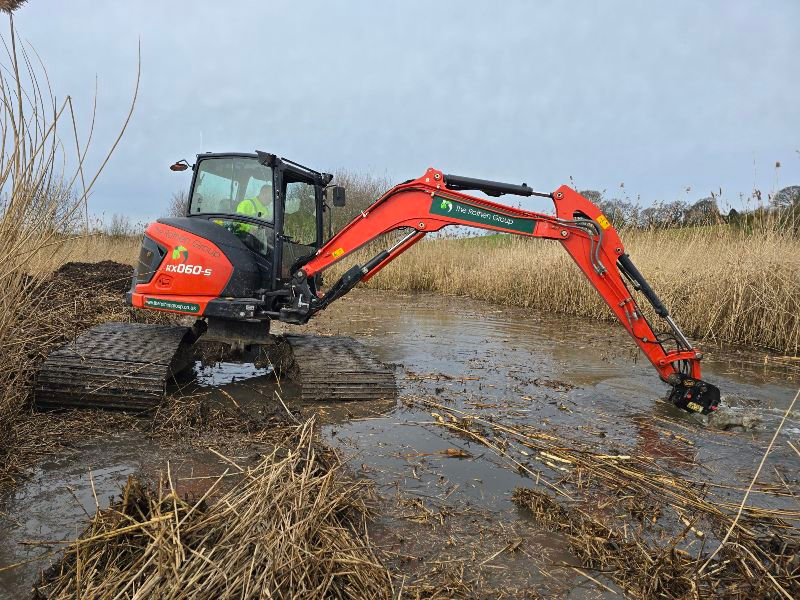
The most common option is mechanical removal, using cutting, dredging, or excavating equipment to remove the reeds and their root systems. The Rothen Group offers dredging services for reed removal.
Other options include chemical control, using approved herbicides where permitted, manual removal, suitable for small areas or sensitive environments, or ongoing maintenance, cutting back to prevent regrowth and spread.
Will Reeds Grow Back After Removal?
They can. Like any plant, if the conditions are right and seeds are present, reeds can grow back. However, it will usually take some time before they achieve the same density as before removal.
What is the Best Time of Year to Remove Reeds?
The best time to remove reeds in the UK is late summer to early autumn (August to October), when the plants are actively growing but beginning to draw energy back into their root systems. They’re easier to cut, and due to the nutrient drawback, there’s less rapid regrowth the following season.
Legal and Environmental Considerations for Reed Removal
Certain reed species are protected or regulated under UK law. Before removing any reeds, you’ll need to seek local approval. Permits may be required before removal near waterways, especially rivers and canals.
Most waterway authorities will require an environmental impact assessment to determine the current effects of the weeds and their removal. The Rothen Group can help advise clients on how to navigate this process.
Professional Reed Management vs DIY Removal
For small patches, cutting reeds back yourself can be manageable. But once growth becomes dense, waterlogged, or spread across a large area, professional management is necessary.
Professionals work within UK environmental regulations, avoiding issues related to protected habitats or chemical use. They understand the best techniques for large-scale aquatic reed removal, reducing the risk of regrowth or environmental damage.
How Long Does Professional Reed Removal Take?
The timeframe depends on the size, density, and location of the reeds.
Small areas can often be cleared within a day
Medium sites may take several days
Large or heavily established reedbeds can require ongoing work over weeks or repeat visits across seasons
In many cases, full control isn’t achieved in a single visit. Reeds are persistent, so professionals typically plan follow-up treatments to prevent regrowth and ensure long-term results.
The Rothen Group has extensive experience dealing with reed removal across UK waterways. We can advise on the planning stages, provide equipment for removal, or take care of the job ourselves. Get in touch today for practical, compliant reed removal that’s done the first time properly.
Read More: A Guide to Reed and Duckweed Removal


Comments