
Riverbank Protection
Erosion doesn’t fix itself — we do.
From soft engineering to hard structures, we stabilise and restore riverbanks with minimal environmental impact.
Bank Protection Services
Our Specialist Riverbank Protection Services
Riverbanks are under constant pressure – from fast flows, rising water levels, burrowing animals, and human activity. Without the right protection, erosion can result in disaster. The Rothen Group offers riverbank protection and stabilisation solutions across the UK.
From small repairs to complex rebuilds, we assess each site and recommend the best long-term method — whether that’s riverbank piling, engineered structures, or nature-based bioengineering.
We work across high-risk, heritage, and ecologically sensitive areas, using both hard and soft riverbank protection methods. So, if you’re dealing with bank slippage, collapse, or early signs of erosion, we can deliver long-lasting, low-impact solutions that protect both your land and the wider waterway network.
Need expert support with riverbank stabilisation or repair? Contact The Rothen Group to arrange a free site assessment.

Gallery
FEATURED CASE STUDY
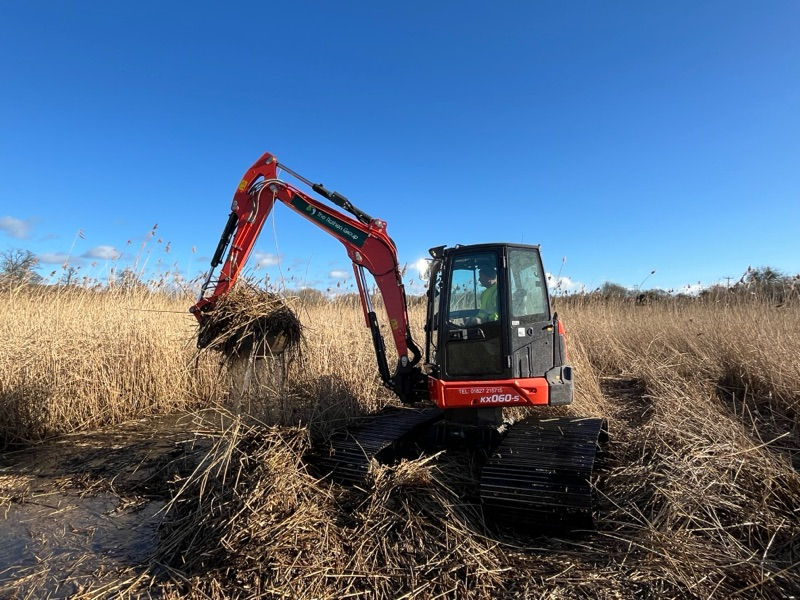
Habitat Creation Coney Meadows, Droitwich
Coney Meadows is part of a nationwide project to restore the UK’s wetlands. Since the 17th century, large areas of reedbeds have been stripped and converted into agricultural land, massively reducing the number of habitats available for wetland animals.

FEATURED CASE STUDY
Changing the Shape of the River Derwent, Derby
Following the storm seasons of 2023 & 2024, the EA set out to review its impact on the UK’s waterways. The River Derwent in Derby was flagged after a sonar scan of its navigation identified a scour hole – a direct result of heavy rainfall pushing sediment downstream.


FEATURED CASE STUDY
Llangollen Canal Banks
The Rothen Group were asked by Canal & River Trust and Kier to assist with the emergency works at Marbury to stabilise the embankment. A 40m section of sheet piled washwall had failed leading to erosion of a narrow embankment between the canal & river. The bank had to be repaired by re-piling the washwall & installing rip-rap at the toe of the rear slope, without allowing further sections of the bank to collapse.
.jpeg)

FEATURED CASE STUDY
Greensforge Sailing Club
Based at Calf Heath Reservoir in Staffordshire, Greensforge SailingClub was facing problems of weathering and water erosion to its mooring and terracing. To ensure that visitors and club members could continue to use the facilities safely, The Rothen Group was chosen to complete 40 metres of bank stabilisation works, including a new concrete walkway to allow safe access for launching the sailing dinghies.


FEATURED CASE STUDY
Macclesfield Canal
The Rothen Group were asked by Canal & River Trust and Kier to assist with repairing several sections of piling and washwall that lay within a Heritage Area. Several separate sections of washwall had either collapsed or rotated with sections of stone coping having fallen into the canal along with sandbag walling. Over 220m of washwall needed to be repaired, whilst the towpath and canal remained open.
Riverbank protection isn’t just about salvaging a collapsing bank – it’s about preventing the collapse in the first place. Stabilisation methods commonly include riverbank piling, stone revetments, coir rolls, gabion baskets, geotextiles, and bioengineering using vegetation.
The Rothen Group uses a mix of hard and soft riverbank protection techniques, depending on the site and objectives. We aim to deliver lasting results with minimal environmental impact.
What is riverbank protection?
Riverbank erosion is normal. It’s caused by fast-flowing water, high rainfall, fluctuating water levels, burrowing animals, tree root damage, or human activity like boating or construction. It’s an inevitable part of a river’s evolution, as the course shifts. Over time, these pressures weaken the riverbank, leading to slippage, collapse, and loss of land.
Unfortunately, we cannot let the river naturally change course, as this would cause immense damage to the surrounding land and infrastructure.
What causes riverbank erosion?
There are two main types of riverbank protection:
Hard protection involves structural elements like steel sheet piling, masonry walls, or rock armour. These robust structures are ideal for high-risk or high-traffic areas, providing an unyielding and long-lasting support.
Soft protection, such as vegetation planting or coir matting, is better suited to ecologically sensitive or low-energy environments and supports habitat creation.
We recommend hard protection where there’s a risk to human infrastructure, property, or life. Soft protection is perfect for natural stretches of river where there is minimal risk.
What’s the difference between hard and soft riverbank protection?
Yes – when done properly. We specialise in environmentally friendly riverbank solutions, using natural materials and techniques like bioengineering to stabilise banks while enhancing biodiversity. Wherever possible, we design with the local ecosystem in mind.
Hard riverbank protection is more disruptive and best reserved for high-risk situations. Where possible, we advocate for soft protection and natural solutions, especially if there’s a risk to biodiversity.
Is riverbank protection environmentally friendly?
Not sure if your riverbank is structurally unsound? Look for these signs:
Visible cracks
Soil slumping
Loss of vegetation
Sediment buildup in the water
If you spot any of these signs, your riverbank could be at risk of complete collapse. Repairing or restoring a riverbank can be impossible if it collapses – or, at least, extremely expensive. We recommend taking immediate action to prevent this from happening.
If you notice changes along the bank, it’s best to get a professional assessment early. We offer free site visits and honest advice.
How do I know if I need riverbank repair?
FAQ
Your Questions Answered
contract services
Related services


about us
A decade of
The Rothen Group
The Rothen Group is a trusted specialist in riverbank protection. We work across the UK’s inland waterways to stabilise failing banks and prevent erosion before it becomes a major issue. With decades of experience in river maintenance, we understand the unique pressures riverbanks face and how to deal with them.
Our skilled team includes engineers, operators, and environmental specialists who deliver personalised solutions for each site. Whether we're working with steel sheet piling or soft bioengineering, we combine technical expertise with a deep respect for the environment to achieve safe, sustainable outcomes.
We work with public bodies, private landowners, and local authorities to protect infrastructure, reduce flood risk, and maintain healthy, functioning river systems — one stretch at a time.


